Solving Everyday Operational Challenges
Reduce Reporting Backlog
Minimize manual entry and speed report completion with automated incident report and real-time, integrated data capture.
Improve Responder Visibility
Enhance situational awareness in the field with real-time location, incident data, and unit status through CAD and mobile tools.
Streamline Inspections
Simplify processes and reduce administrative effort by centralizing inspections, permits, and compliance workflows into a single system.
Connect Dispatch and Operations
Ensure consistent real-time information flow with seamlessly links dispatch (CAD) with mobile responder tools.
Eliminate Duplicate Data Entry
Eliminate redundant data entry by enabling a single source of truth that seamlessly flows across modules, systems, and workflows.
Purpose-Built for How Your Department Operates
Tyler's Fire & EMS Suite connects the tools your department needs to prevent risk, respond faster, simplify reporting, and reduce administrative burden — all in one integrated ecosystem.
Prevention & Preparedness
Keep your community safer before the call and ensure crews are ready when it comes.
Solutions Include:
Pre-planning, Properties and inspection, Permitting, Training and certifications, Apparatus/station/equipment checks, Inventory, maintenance, Hydrant management, Fuel tracking
Reporting & Administration
Streamline documentation, improve data quality, support compliance, and reduce the administrative burden on crews and command staff.
Solutions Include:
Incident reporting, NERIS/NFIRS reporting, NEMSIS 3.5 ePCR, investigations, exposure tracking, analytics, billing integration, LOSAP management, and state reporting portals.
Dispatch & Response
Give dispatchers and crews real-time information to send the right resources, improve coordination, and support safer decisions in the field.
Solutions Include:
Enterprise CAD, response planning, AVL/unit tracking, situational awareness, mobile response tools, navigation, pre-plan access, and real-time communication.
Beyond NERIS Compliance
Capture data more efficiently and turn it into actionable insight across your operations with connected reporting tools.
Simplify Reporting. Strengthen Insight. Improve Decisions.
Learn More
Want to Learn More?
Explore how Tyler’s Fire & EMS solutions can help your department's full operation and improve readiness, response, reporting, and compliance.
Fire & EMS Software Departments Trust
Modernize operations, improve workflows, and strengthen response with connected technology built for the full incident lifecycle.
Tyler’s Fire & EMS Suite helps departments manage preplans, inspections, dispatch, mobile response, reporting, compliance, and analytics — with the speed, clarity, and confidence today’s public safety teams need.
Proven success. Real results. Trusted Partner.
Purpose-Built for the Demands of Modern Fire and EMS
Fire and EMS departments are being asked to do more with limited time, staff, and resources. Rising call volumes, evolving reporting requirements, and disconnected systems make it harder to move quickly, document accurately, and see the full picture across operations.
Tyler helps departments replace manual processes and siloed systems with connected software built for the way public safety teams work. Crews get faster access to critical information. Administrators reduce duplicate entry. Command staff gain clearer insight into performance, compliance, and resource needs.
From the first call to final reporting, Tyler helps fire and EMS departments respond faster, work smarter, and operate with confidence.
What is the Deal With Fire & EMS Technology?
As fire and EMS technology rapidly evolves, agencies are looking for smarter, more connected ways to manage every stage of a call. With insights from industry and field expertise, Tyler Technologies is helping unify systems, reduce complexity, and equip first responders with the data and tools they need to act quickly, plan effectively, and improve outcomes across their communities.
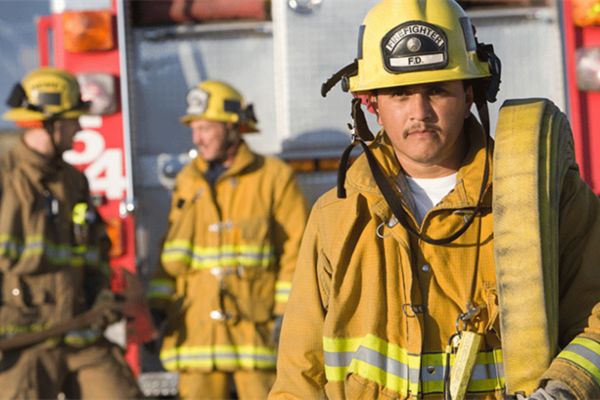
Keep Fire Crews Healthier Utilizing Technology
Firefighters face serious physical, mental, and long-term health risks, including injury, toxic exposure, cancer, and higher rates of PTSD and depression. Advances in tools like pre-plan systems, mental health apps, and exposure tracking are helping improve safety, readiness, and overall well-being while supporting stronger outcomes across crews.
Firefighting Over the Decades: Medical vs. Fire Calls
Firefighters are responding to more medical emergencies than fires, with EMS calls rising due to aging populations and greater healthcare needs. This shift brings challenges like resource strain and training gaps, while also offering benefits including faster response times, stronger teamwork, and expanded roles in community care.
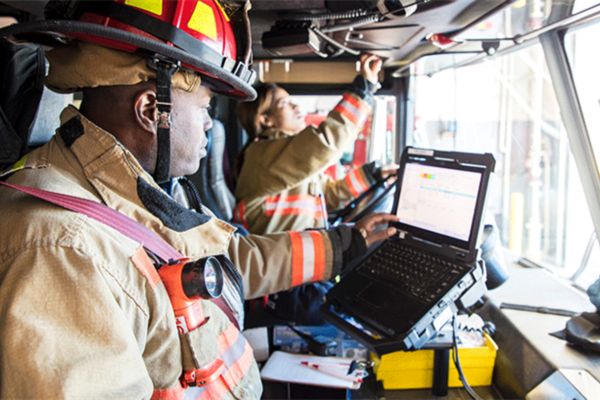
Why Proper Training is Crucial for Improved Outcomes
Training ensures firefighters and EMS personnel can effectively use modern tools, improving efficiency, safety, and decision-making during emergencies. Without proper training, even advanced systems can be misused, increasing risks and reducing quality of response, patient care, coordination, and overall outcomes in high-pressure incidents.
4 Mobile Tech Features Strengthening Fire Response
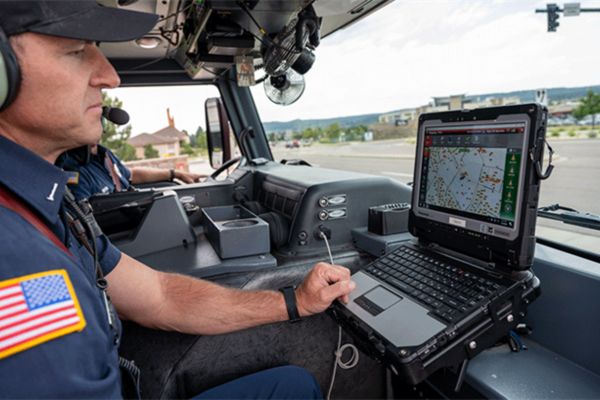
Modern fire departments are rethinking response with mobile-first technology that puts critical information directly in the hands of crews anytime, anywhere. From real-time alerts and updates to smarter routing and on-the-go incident preparation, these tools help teams move faster, stay safer, and make smarter decisions when every second truly matters in the field.
3 Ways Inspections Software Improves Firefighting
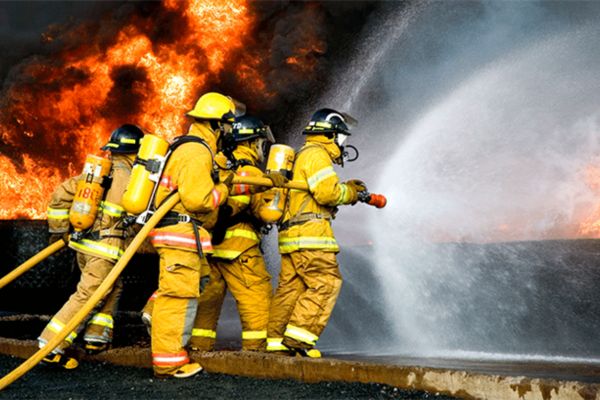
Fire inspection software helps prevent emergencies by identifying hazards earlier, streamlining inspections, and building detailed pre-plans for safer responses. It also improves compliance tracking and strengthens fire safety education, helping communities stay informed, prepared, and more resilient over time.
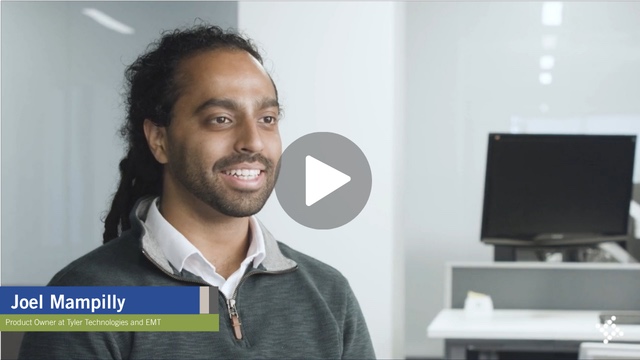
What happens when real-life EMT experience shapes the tools first responders use every day? At Tyler Technologies, team members like Joel Mampilly bring frontline insight into building smarter, more intuitive Fire & EMS solutions — helping agencies respond faster, work more efficiently, and better support their communities.
[PRODUCT DEMO] Incident Reporting
This demo showcases Tyler Fire & EMS Suite’s Incident Reporting capabilities, including both the EMS ePCR (In Charge 3.5) and NFIRS incident reporting modules. Viewers will see how agencies can streamline report creation with customizable workflows, CAD and monitor integrations, patient record management, incident documentation, attachments, narratives, and compliance-driven reporting in a single, easy-to-use platform.
[PRODUCT DEMO] Inventory and Asset Management
This demo provides an overview of Tyler Fire & EMS Suite’s Inventory and Asset Management capabilities, including customizable apparatus and truck checks, inventory tracking, and asset assignment management. Viewers will see how departments can manage equipment locations, maintenance records, inspections, grant-funded assets, documentation, and reporting to improve operational readiness and accountability.
[PRODUCT DEMO] Prevention & Preparedness
This demo highlights Tyler Fire & EMS Suite’s Prevention & Preparedness capabilities, including property management, pre-fire planning, fire inspections, permitting, and hydrant management. Viewers will see how agencies can streamline inspections, document violations, manage pre-plans and property data, track hydrant testing and maintenance, and leverage mapping and mobile tools to enhance community risk reduction and operational preparedness.
[PRODUCT DEMO] Training and Daily Log
This demo showcases Tyler Fire & EMS Suite’s Training and Daily Log capabilities, enabling departments to track training activities, certifications, attendance, and compliance requirements with customizable templates and reporting. Viewers will also see how the Daily Log calendar supports scheduling, managing, and documenting training events and department activities through flexible calendar views and centralized record keeping.